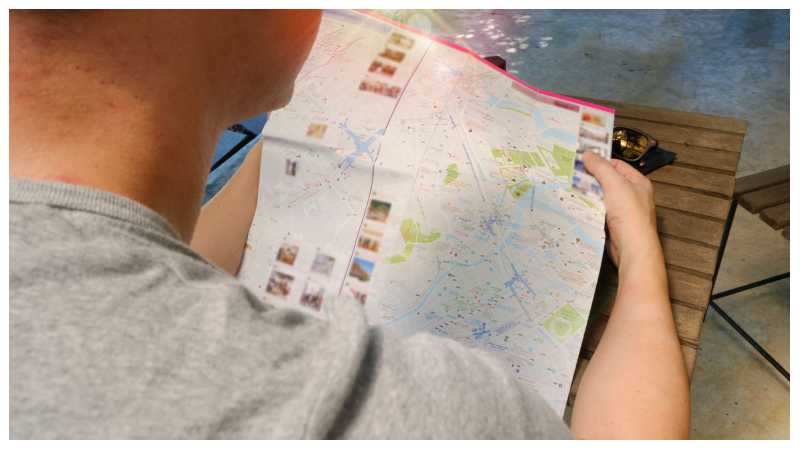
Travel becomes more enjoyable when you know where you are going, what you can discover along the way, and how to reach interesting places without unnecessary confusion. Whether you are planning a weekend escape, an international holiday, or a spontaneous road trip, having reliable directions can make a significant difference. Maps are no longer just tools for finding roads; they help travellers understand destinations, organize their journeys, and discover experiences they might otherwise overlook.
Map guides ttweakmaps from traveltweaks offer an interesting approach to understanding travel destinations through geographical information, helpful directions, and practical planning ideas. By combining map-based guidance with travel knowledge, travellers can make better decisions before leaving home and enjoy a smoother experience throughout their adventures.
Understanding the Importance of Travel Maps
Maps have always played an important role in exploring unfamiliar locations. Before digital navigation became widely available, travellers depended on printed road maps, guidebooks, and local directions. Although these traditional resources remain useful, modern mapping tools have made finding destinations considerably easier.
Today’s maps provide information about roads, nearby attractions, accommodation options, restaurants, and transportation routes. They can also help users estimate distances and identify alternative paths when unexpected delays occur.
A well-organized map gives travellers a clearer understanding of their surroundings. Instead of relying entirely on written instructions, they can view locations geographically and decide which places deserve attention during their journey.
How Map Guides TTweakMaps From TravelTweaks Support Better Planning
Successful travel planning involves more than selecting a destination and booking accommodation. Travellers must also consider transportation, sightseeing opportunities, travel distances, and the amount of time available.
Map guides ttweakmaps from traveltweaks can be understood as a useful travel-planning concept that brings geographical guidance and destination research together. Having organized location information makes it easier to prepare an itinerary and understand how different attractions connect.
For example, someone visiting a large city might want to explore historical buildings, local markets, museums, and popular restaurants. Studying their locations beforehand can help create a practical sightseeing schedule.
This approach can reduce unnecessary travelling between distant locations while allowing visitors to spend more time enjoying their chosen activities.
Discovering Interesting Places Through Maps
One of the biggest advantages of map-based travel planning is discovering places beyond the usual tourist attractions.
Popular destinations often receive considerable attention, but smaller neighbourhoods, peaceful parks, local shopping streets, and cultural landmarks can offer equally memorable experiences.
Maps help travellers identify these opportunities by showing different areas surrounding their main destination.
Consider these possibilities:
-
Historical locations: Find monuments, heritage buildings, museums, and culturally important places.
-
Natural attractions: Locate beaches, lakes, mountains, gardens, and scenic viewpoints.
-
Local experiences: Explore traditional markets, neighbourhoods, and community attractions.
-
Food destinations: Identify restaurants, cafés, and local dining areas.
-
Recreational spaces: Discover walking paths, parks, cycling routes, and outdoor activity locations.
Exploring beyond familiar tourist spots can make a holiday more interesting and introduce visitors to the character of a destination.
Choosing the Right Routes for Your Journey
Selecting an appropriate route is an important part of any travel experience. The shortest road is not necessarily the most convenient option, particularly when road conditions, traffic, construction, or transportation restrictions are involved.
Digital maps can help travellers compare alternative routes and select one that suits their requirements.
Before starting a journey, consider the following factors:
Check the Distance
Understanding the distance between destinations helps establish realistic travel expectations. It also makes arranging daily activities easier.
Consider Traffic Conditions
Busy roads can significantly increase journey times. Checking available traffic information before departure may help travellers avoid unnecessary delays.
Identify Alternative Routes
Unexpected road closures and changing weather conditions can affect travel plans. Having another route in mind provides greater flexibility.
Plan Rest Stops
Long-distance journeys require suitable breaks. Identifying fuel stations, restaurants, and rest areas can make road travel more comfortable.
Making Travel Itineraries More Organized
An itinerary provides structure without requiring travellers to follow a strict timetable throughout their holiday. It helps organize activities according to location, available time, and personal interests.
For better organization, divide the destination into different geographical areas. Plan nearby attractions together instead of travelling across an entire city several times in one day.
For instance, a morning could be dedicated to historical attractions, while the afternoon could include nearby shopping areas and local restaurants.
This planning method saves time and allows travellers to enjoy more activities without making their schedules unnecessarily complicated.
The ideas behind map guides ttweakmaps from traveltweaks highlight why geographical organization can be valuable when preparing enjoyable and manageable travel experiences.
Useful Map Features Every Traveller Should Understand
Modern mapping platforms offer several features that can improve the overall travel experience. Learning how these functions work can make navigation easier, especially when visiting unfamiliar destinations.
Offline Maps
Internet access is not always available during travel. Offline maps allow users to access previously downloaded geographical information without depending on a continuous internet connection.
This feature is particularly helpful when travelling through remote locations or areas with limited mobile coverage.
Location Sharing
Sharing a location with trusted travel companions can make meeting arrangements easier. It can also help groups stay connected when visiting crowded attractions.
Street-Level Views
Street-level imagery allows users to examine certain locations before arriving. This can help identify entrances, nearby buildings, and recognizable surroundings.
Public Transportation Information
In many cities, mapping services display bus routes, train stations, and other transportation connections. These details can help visitors choose suitable ways to move around.
Tips for Using Maps While Travelling
Even the most advanced navigation tools are more useful when travellers understand how to use them responsibly.
Here are some practical suggestions:
-
Download important maps before travelling, especially when internet access may be unreliable.
-
Save accommodation addresses and important attractions for convenient access.
-
Check directions before beginning each journey.
-
Keep your device charged or carry a portable power bank.
-
Compare suggested routes with local road signs and official travel instructions.
-
Avoid interacting with your phone while driving.
-
Keep important addresses available separately in case your device becomes unavailable.
These simple preparations can prevent common navigation problems and help travellers feel more confident in unfamiliar surroundings.
The Role of Technology in Modern Travel
Technology has changed how people research destinations and organize their holidays. Smartphones, navigation applications, online travel resources, and digital maps have made geographical information easier to access.
Travellers can now compare destinations, examine transportation options, and prepare sightseeing plans before arriving. These developments have also made independent travel more manageable for people who prefer exploring without depending entirely on organized tour groups.
However, technology should support good travel decisions rather than replace common sense. Maps may occasionally contain outdated information, and estimated arrival times can change because of unexpected circumstances.
Checking important details through reliable local sources remains an essential part of responsible planning.
Common Travel Mapping Mistakes to Avoid
Although maps simplify navigation, travellers can still encounter problems when they depend on them without proper preparation.
One common mistake is assuming that every suggested route is suitable for every type of vehicle. Some roads have restrictions that may not be immediately obvious.
Another problem is ignoring local conditions. Weather, road construction, seasonal closures, and public events can affect accessibility.
Travellers should also avoid creating overly ambitious itineraries. Trying to visit too many locations in a single day can make a holiday exhausting instead of enjoyable.
The better approach is to allow sufficient time for transportation, meals, unexpected delays, and spontaneous discoveries.
Conclusion
Good travel experiences begin with thoughtful preparation, and understanding geographical information is an important part of that process. From discovering hidden attractions to comparing transportation routes, maps help travellers make informed decisions and explore unfamiliar destinations with greater confidence.
Map guides ttweakmaps from traveltweaks represent the value of combining geographical guidance with practical travel planning. By learning how to use mapping features, organizing destinations sensibly, and preparing alternative routes, travellers can enjoy more comfortable and rewarding adventures. Ultimately, a well-planned journey leaves more room for discovering new places, experiencing different cultures, and creating unforgettable memories.