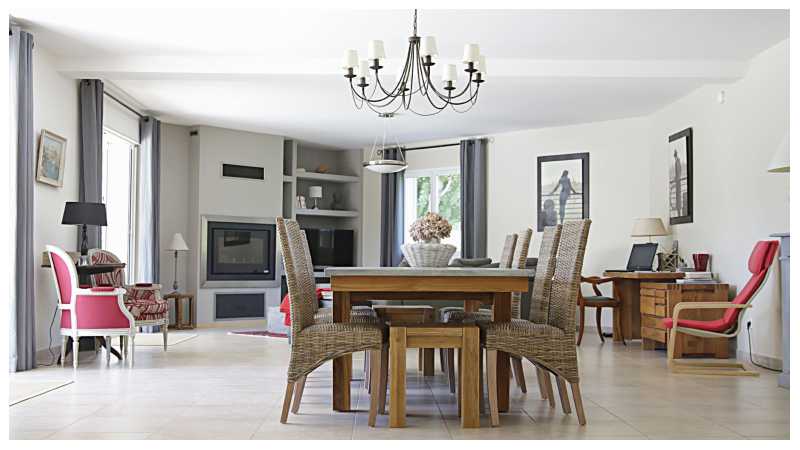
Upgrading your home does not always require a complete renovation or a large budget. Small, thoughtful changes can make rooms feel more comfortable, attractive, organized, and modern. Whether you are updating a single room or refreshing your entire home, the right approach is to focus on improvements that combine style with everyday functionality. decoradhouse upgrade tips by decoratoradvice can help homeowners think creatively about their spaces and make practical decorating decisions.
A successful home upgrade begins with understanding what your space needs. Some rooms may need better lighting, while others might benefit from improved storage, new colors, updated furniture, or carefully selected accessories. Instead of changing everything at once, homeowners can work gradually and prioritize improvements that have the greatest visual and practical impact.
Start With a Clear Home Upgrade Plan
Before buying furniture, paint, decorations, or other items, create a simple plan. Walk through each room and identify what you like, what feels outdated, and what is not working well. Consider whether the room needs more storage, better lighting, additional seating, or simply a fresh appearance.
A plan can also help control your budget. Make a list of essential improvements and separate them from optional decorative changes. This makes it easier to spend money where it matters most.
Think about the overall style you want. Modern, traditional, minimalist, rustic, and contemporary styles can all create beautiful results, but combining too many unrelated styles may make a home feel disconnected. Choosing a general design direction can help create a more balanced appearance.
Refresh Walls With Color
One of the easiest ways to transform a room is by changing its wall color. Paint can completely alter the atmosphere without requiring expensive construction work. Light shades can make smaller spaces appear brighter and more open, while deeper colors can create warmth and character.
Neutral shades such as soft white, beige, gray, and warm cream can provide a flexible background for furniture and decorations. If you prefer something more expressive, consider using an accent wall rather than painting every wall a strong color.
Wallpaper can also be useful when you want patterns or texture. A subtle geometric design, botanical print, or textured finish can give a room more personality.
However, color should work with the room’s existing furniture, flooring, curtains, and lighting. Always consider how natural and artificial light will affect the appearance of a color throughout the day.
Improve Lighting for a Better Atmosphere
Lighting is one of the most important elements of home design. Even a beautifully decorated room can feel uncomfortable if it is poorly lit. Instead of depending on a single ceiling light, consider using several layers of lighting.
Ambient lighting provides general illumination, while task lighting helps with activities such as reading, cooking, working, or studying. Accent lighting can highlight artwork, shelves, architectural details, or decorative objects.
Table lamps, floor lamps, wall lights, pendant fixtures, and under-cabinet lighting can all contribute to a more inviting environment. Choose fixtures that complement the style of the room instead of treating lighting as an afterthought.
Natural light should also be maximized. Keep windows clean and avoid unnecessarily blocking them with heavy curtains or oversized furniture.
Upgrade Furniture Without Replacing Everything
A complete furniture replacement can become expensive. Fortunately, you often do not need to replace every piece to give a room a fresh appearance.
Start by rearranging existing furniture. Changing the position of a sofa, dining table, bed, or chairs can improve movement and make a room feel different. Make sure furniture is arranged to encourage conversation and leave comfortable walking paths.
If certain pieces look worn but are still structurally sound, consider updating them. A new slipcover, upholstery, hardware, or finish may give an old piece another life.
When buying new furniture, prioritize quality, comfort, proportion, and functionality. A beautiful item that is too large for the room can create more problems than it solves.
Create More Effective Storage
Good storage is both practical and decorative. Clutter can make even a stylish home feel uncomfortable, so organizing belongings should be an important part of any upgrade.
Use baskets, storage boxes, cabinets, floating shelves, and furniture with built-in storage. In bedrooms, under-bed storage can be useful for seasonal clothing and other items. In living rooms, shelves can display books and decorations while keeping smaller belongings organized.
The kitchen can benefit from drawer organizers, wall-mounted racks, pantry containers, and pull-out storage. A well-organized kitchen is easier to use and can also look cleaner.
Remember that storage does not have to be hidden. Open shelves can become attractive displays when books, plants, artwork, and decorative objects are arranged thoughtfully.
Add Textures for Warmth and Character
A room can sometimes feel plain even when the furniture and colors are attractive. Adding different textures can create depth and visual interest.
Consider combining soft rugs, woven baskets, cushions, curtains, throws, wood, glass, metal, and natural fabrics. These elements can make a space feel more comfortable without requiring major changes.
For example, a simple living room can become warmer with a textured rug, a few cushions, and a soft throw placed naturally on the sofa. In a bedroom, layered bedding and curtains can create a more relaxing atmosphere.
The key is balance. Too many competing textures can make a room feel busy, so select materials that complement one another.
Use Decorative Accessories Carefully
Accessories can express personality and make a house feel like a home. Artwork, mirrors, plants, vases, books, candles, and decorative objects can all contribute to the overall design.
Instead of filling every empty surface, choose a few meaningful pieces. Grouping objects in different heights can create a more interesting arrangement. For example, a shelf might include a tall plant, a stack of books, and a smaller decorative object.
Mirrors are especially useful because they can reflect light and make certain spaces appear larger. Positioning a mirror opposite or near a window can help increase the feeling of brightness.
Plants can also add natural color and freshness. Choose varieties that suit the available light and the amount of care you are willing to provide.
Make the Kitchen More Functional
The kitchen is one of the most frequently used areas of a home, so functionality should be a major priority. A kitchen upgrade does not necessarily mean replacing cabinets or installing an entirely new layout.
Start by improving organization. Remove items that are rarely used, group similar products together, and make frequently used tools easy to reach.
Updating cabinet handles, installing better lighting, adding a backsplash, or replacing worn fixtures can create noticeable improvements. Open shelves can also provide additional storage while giving the kitchen a decorative feature.
Countertops should remain as clear as possible. Keeping only frequently used appliances and attractive accessories on the counter can make the space appear cleaner and more spacious.
Give the Bedroom a Relaxing Feel
The bedroom should be comfortable and peaceful. Soft colors, appropriate lighting, comfortable bedding, and organized furniture can help create a relaxing environment.
Start with the bed because it is usually the main visual feature. Layer pillows and bedding without making the arrangement unnecessarily complicated. Add a rug if the room needs more warmth and texture.
Bedside tables should provide enough space for essentials such as a lamp, book, or small personal item. Avoid excessive clutter because a crowded bedroom can make it harder to relax.
Curtains also play an important role. Choose window treatments that provide the required privacy while complementing the room’s overall color scheme.
Improve the Entryway
The entryway creates the first impression of your home. Even a small entrance can become more attractive and functional with a few changes.
A mirror can make the area feel larger, while a small console table can provide a place for keys and everyday items. Hooks or a coat rack can help keep jackets and bags organized.
A runner, small plant, artwork, or decorative bowl can add personality. The goal is to create an inviting entrance without allowing it to become a storage area for everything coming into the house.
Upgrade the Bathroom With Small Changes
Bathrooms can also benefit from simple upgrades. Replace outdated hardware, improve lighting, add storage, or introduce new towels and accessories.
A coordinated color scheme can make the space feel more polished. Matching or complementary containers can reduce visual clutter around the sink.
If a larger renovation is not practical, focus on details that create a clean and refreshed appearance. Good organization is particularly important in small bathrooms because limited space can quickly become cluttered.
Think About the Details
Sometimes the smallest details have the greatest effect. Door handles, cabinet pulls, light switches, curtain rods, picture frames, and decorative hardware can influence how finished a room looks.
Choose finishes that work together. You do not necessarily need every metal finish in your home to match perfectly, but repeated materials can help create consistency.
Similarly, consider the placement of artwork. Artwork should generally relate to the size of the wall and nearby furniture. A tiny picture placed alone on a large wall may look lost, while a large arrangement can overwhelm a small space.
Focus on Comfort as Well as Style
A beautiful home should also be comfortable. Design decisions should reflect how you actually use your rooms.
If your family spends most evenings in the living room, comfortable seating should be a priority. If you work from home, create a practical workspace with sufficient lighting and storage. If you enjoy cooking, organize the kitchen around the tools and ingredients you use most often.
This practical approach is an important part of decoradhouse upgrade tips by decoratoradvice because successful decorating is not simply about making a room look attractive. It is about creating spaces that support everyday life.
Upgrade Gradually and Stay Within Your Budget
Home improvement does not have to happen all at once. In fact, gradual upgrades can make it easier to understand what your home really needs.
Set a budget for each project and compare options before making purchases. Consider whether an item will provide long-term value rather than choosing something simply because it is currently popular.
You can also repurpose existing furniture and decorations. Moving an artwork to another room, repainting a small table, changing cushion covers, or rearranging shelves can create a new look at very little cost.
Shopping your own home is often an overlooked decorating strategy. Items stored away may work perfectly in another room.
Conclusion
Creating a stylish and comfortable home is less about spending large amounts of money and more about making thoughtful decisions. From refreshing wall colors and improving lighting to organizing storage, updating furniture, adding textures, and choosing meaningful accessories, small changes can produce impressive results.
The best upgrades combine beauty with practicality. Every room should feel connected to the overall home while still serving its own purpose. By planning carefully, working within a realistic budget, and making changes gradually, homeowners can create spaces that feel personal, functional, and welcoming.
Ultimately, decoradhouse upgrade tips by decoratoradvice can serve as inspiration for anyone looking to refresh their home without approaching every project as a major renovation. Whether you make one small change or gradually transform several rooms, thoughtful decorating can make your home more enjoyable every day.