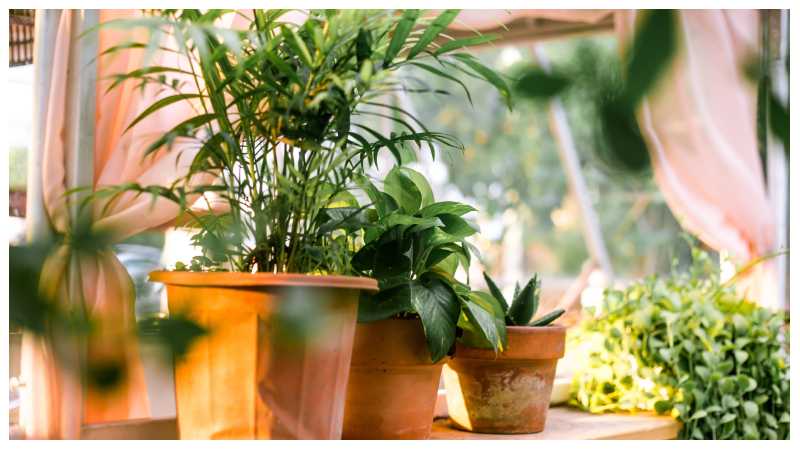
A beautiful garden can transform an ordinary outdoor area into a comfortable, attractive, and relaxing extension of the home. Whether you have a large backyard, a small patio, a narrow side yard, or a simple balcony, thoughtful planning can help you make better use of your available space. The right plants, furniture, lighting, colors, and layout can create an outdoor environment that feels welcoming throughout the year.
decoradhouse garden tips by decoratoradvice can be viewed as a practical approach to improving outdoor spaces through smart design choices, suitable plants, and regular maintenance. Instead of focusing only on decoration, successful garden design combines appearance with functionality. A good garden should look attractive while remaining practical to maintain and comfortable to use.
Start With a Clear Garden Plan
Before purchasing plants or outdoor decorations, take some time to understand your garden. Measure the available area and observe how sunlight moves across the space during the day.
Some areas may receive direct sunlight for several hours, while others may remain shaded. This information is important because different plants have different light requirements.
Also consider drainage, soil quality, existing trees, pathways, fences, and outdoor structures. A simple sketch can help you determine where different elements should go.
Planning before buying materials can prevent unnecessary expenses and help you create a more balanced garden.
Choose Plants According to Your Space
One of the most important decisions in garden design is selecting plants that suit your environment.
Consider factors such as:
- Available sunlight
- Soil conditions
- Local climate
- Water requirements
- Mature plant size
- Seasonal changes
- Maintenance needs
Avoid selecting plants only because they look attractive at the garden center. A plant that requires full sunlight may struggle in a heavily shaded location, while a moisture-loving plant may perform poorly in dry soil.
Researching plants before purchasing them can save time, money, and effort.
Create Layers With Different Plant Heights
A garden can look more visually interesting when plants are arranged at different heights.
Tall plants, shrubs, medium-sized flowers, and ground covers can work together to create layers. Place taller plants toward the back or along boundaries, medium plants in the middle, and shorter varieties toward pathways or the front of planting beds.
This arrangement helps prevent the garden from appearing flat.
Layering can also make a small garden feel richer without requiring a large number of plants. Even a few carefully selected varieties can create depth when arranged thoughtfully.
Use Color Carefully
Color is an important part of outdoor design. Bright flowers can create energy, while softer colors can produce a calm and relaxing atmosphere.
Instead of using every available color, consider selecting a simple palette. For example, combinations of white, green, purple, and soft pink can create an elegant appearance. Warmer shades such as orange, yellow, and red can make an outdoor area feel lively.
Remember that foliage also contributes color. Green leaves come in many shades, while some plants have silver, blue, burgundy, or variegated foliage.
A well-planned combination of flowers and foliage can keep the garden attractive even when certain plants are not blooming.
Add Comfortable Outdoor Seating
A garden should not only be viewed; it should also be enjoyed.
Adding a comfortable seating area can turn your outdoor space into a destination for relaxing, reading, having conversations, or enjoying meals.
Depending on your space, consider:
- Garden chairs
- Benches
- Outdoor sofas
- Small dining sets
- Lounge chairs
- Hammocks
Choose furniture that can withstand outdoor conditions. Materials should be appropriate for your local weather, and cushions should be easy to clean or store.
Position seating where you can enjoy the best garden views rather than simply placing furniture wherever there is empty space.
Create Defined Garden Zones
Large gardens can sometimes feel disorganized when every area serves the same purpose. Creating separate zones can make the space easier to use.
You might have one area for dining, another for planting, a quiet corner for relaxation, and a small section for children or hobbies.
Pathways, planters, screens, changes in flooring, and furniture can visually separate these areas without requiring permanent walls.
This approach can also make a smaller outdoor space feel more structured.
Make Pathways Functional and Attractive
Pathways provide both practical and decorative value.
They guide people through the garden while protecting plants from being stepped on. A pathway can also create a sense of movement and encourage visitors to explore different parts of the space.
Common pathway materials include stone, brick, gravel, concrete, and wood.
The best choice depends on your home’s style, budget, maintenance preferences, and climate.
Keep pathways wide enough for comfortable movement and avoid creating unnecessary turns unless the design requires them.
Add Garden Lighting
Outdoor lighting can completely change the atmosphere of a garden after sunset.
Path lights can make walkways easier to navigate. Accent lights can highlight trees, sculptures, or architectural features. Wall lights can illuminate seating areas, while string lights can create a relaxed atmosphere.
Use lighting strategically rather than making every part of the garden equally bright.
Soft, focused lighting often creates a more comfortable environment than excessive illumination.
Solar lights can be convenient in suitable locations because they do not require traditional electrical wiring. However, their performance depends on available sunlight and the quality of the fixtures.
Decorate With Outdoor Accessories
Accessories can give a garden personality.
Consider adding decorative pots, planters, sculptures, water features, lanterns, birdhouses, or decorative stones.
The key is moderation. Too many decorations can make a garden feel crowded.
Choose pieces that complement your home’s architecture and garden style. A modern house may work well with simple geometric planters, while a traditional home may suit classic pots, natural stone, or rustic accessories.
Incorporate Vertical Gardening
When floor space is limited, look upward.
Vertical gardening allows plants to grow on walls, trellises, fences, shelves, and specially designed structures.
This can be especially useful for balconies, patios, and small urban gardens.
Climbing plants can cover unattractive walls while creating greenery. Hanging baskets can add flowers without using ground space. Wall planters can also provide opportunities for herbs and smaller plants.
Vertical gardening is a practical way to add visual interest without taking up much floor area.
Choose Low-Maintenance Options
A beautiful garden does not have to require constant work.
If you have limited time, select plants that match your maintenance schedule. Native or well-adapted plants can sometimes be easier to maintain because they are suited to local conditions.
Mulching can also reduce weed growth and help the soil retain moisture.
Automatic irrigation systems or drip irrigation can make watering more efficient. Grouping plants according to their water needs can also prevent overwatering some plants while leaving others too dry.
The goal is to create a garden that you can realistically maintain.
Improve the Soil
Healthy soil is one of the foundations of a successful garden.
Before planting, consider testing your soil to understand its condition. Depending on the results, you may need to improve drainage, add organic matter, or adjust other soil characteristics.
Compost can help increase organic matter and support plant growth. Mulch can protect the soil surface, reduce evaporation, and help regulate temperature.
Healthy soil can reduce plant stress and give roots a better environment for development.
Think About Seasonal Interest
A garden should not depend entirely on one season.
Choose a mixture of plants that provide interest at different times of the year. Spring flowers can create early color, summer plants can provide vibrant blooms, autumn foliage can add warmth, and evergreen plants can maintain structure during winter.
Trees and shrubs can also provide year-round form even when flowers are not present.
Planning for seasonal interest helps your garden remain attractive for more of the year.
Add Privacy Naturally
If your garden is exposed to neighbors or nearby streets, plants can provide natural privacy.
Hedges, shrubs, climbing plants, and small trees can create screens without making the space feel closed.
Consider the mature height and width of plants before planting them close to fences or buildings. A small plant can eventually become much larger than expected.
Layered planting can provide privacy while maintaining a natural appearance.
Make Watering More Efficient
Watering is essential, but inefficient watering can waste resources.
Water plants according to their specific needs rather than following the same schedule for everything. Early morning or evening watering can often reduce rapid evaporation compared with watering during the hottest part of the day.
Drip irrigation can deliver water close to plant roots and reduce unnecessary moisture on leaves and surrounding surfaces.
A layer of mulch can also help soil retain moisture.
Keep Maintenance Organized
Regular maintenance keeps a garden looking attractive.
Create a simple routine that includes:
- Removing weeds
- Trimming overgrown plants
- Checking for pests
- Removing damaged leaves
- Cleaning pathways
- Maintaining furniture
- Checking irrigation
- Refreshing mulch when necessary
Small amounts of regular maintenance are generally easier than allowing problems to accumulate.
Decoradhouse Garden Tips by Decoratoradvice for Small Gardens
Small gardens require careful planning because every element has a greater visual impact.
Use multifunctional furniture where possible. Choose plants that provide more than one benefit, such as flowers, fragrance, privacy, or edible produce.
Light colors, mirrors designed for outdoor use, vertical planting, and clear pathways can help create a feeling of openness.
Avoid filling every available area with furniture or decorations. Leaving some visual breathing room can actually make a small garden feel larger.
The principle behind decoradhouse garden tips by decoratoradvice is not simply adding more decorations. Instead, it is about selecting elements that contribute to the overall purpose and appearance of the space.
Sustainable Garden Ideas
Sustainability can also become part of garden design.
Consider collecting rainwater where local regulations and conditions allow. Composting suitable organic garden waste can help reduce waste while producing useful material for planting beds.
Choose durable outdoor products that do not need frequent replacement. Planting flowers that provide food or shelter for beneficial insects can also contribute to a healthier garden ecosystem.
Using plants appropriate for your local conditions can reduce unnecessary watering and maintenance.
A sustainable garden can be both beautiful and practical.
Avoid Common Garden Design Mistakes
Several simple mistakes can make a garden harder to maintain.
One common mistake is overcrowding plants. Remember that plants grow. Always consider their mature size before placing them close together.
Another problem is choosing plants based only on appearance without considering their growing requirements.
Poor drainage can also cause long-term problems. Before installing large planting beds, understand how water moves through the area.
Finally, avoid purchasing too many decorative items at once. Build your garden gradually and evaluate how each addition affects the overall appearance.
Final Thoughts
Creating a beautiful outdoor space is not about following one fixed design style. It is about understanding your space and selecting elements that work together.
decoradhouse garden tips by decoratoradvice encourage a balanced approach that combines attractive planting, comfortable outdoor areas, practical pathways, thoughtful lighting, and manageable maintenance.
Start with a plan, select plants according to your conditions, and introduce decorative features gradually. Think about how the garden will look throughout the seasons and how you will actually use it.
Most importantly, design the garden for enjoyment. Whether you want a peaceful place to relax, an attractive area for entertaining, a productive vegetable garden, or simply a welcoming outdoor environment, thoughtful planning can help you achieve your goal.
By applying decoradhouse garden tips by decoratoradvice consistently, homeowners can turn even ordinary outdoor spaces into areas that feel personal, comfortable, and visually appealing. A successful garden does not need to be expensive or complicated. With careful choices, regular care, and a little creativity, almost any outdoor space can become a beautiful extension of the home.