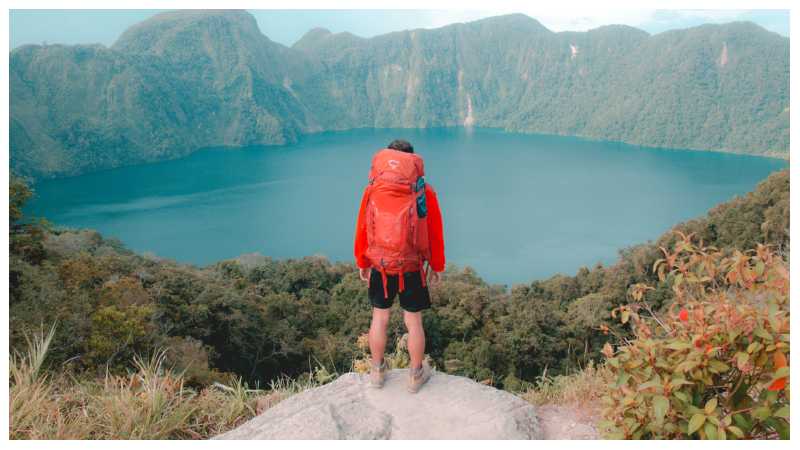
Backpacking can be one of the most rewarding ways to explore new destinations, experience different environments, and become more comfortable with independent travel. Unlike conventional vacations, backpacking often involves carrying your essential belongings, moving between destinations, choosing practical accommodation, and adapting to changing circumstances along the way. Good preparation can make the experience more enjoyable while reducing unnecessary stress.
The phrase backpacking tips cwbiancavoyage from conversationswithbianca can be approached as a collection of practical ideas for travelers who want to prepare thoughtfully for backpacking adventures. Whether someone is planning a short weekend trip, a longer international journey, or a nature-focused adventure, the same basic principles can help create a safer and more comfortable experience.
This guide explains how to plan a backpacking trip, choose appropriate equipment, organize luggage, manage money, prepare for changing weather, stay connected, protect personal belongings, and remain flexible while traveling.
Start With a Realistic Backpacking Plan
Every successful backpacking trip begins with planning. You do not need to create a schedule for every minute, but having a general plan can make the journey much easier.
Begin by deciding where you want to go and how long you expect to stay. Consider the season, local transportation, accommodation options, expected weather, and activities you want to experience.
Research the areas you plan to visit before leaving home. Learn about local customs, transportation systems, entry requirements, and important safety considerations.
A flexible itinerary is usually better than an extremely detailed schedule. Delays, weather changes, transportation problems, and unexpected opportunities can all affect travel plans.
The best backpacking tips cwbiancavoyage from conversationswithbianca should encourage travelers to prepare carefully while leaving enough room for spontaneous experiences.
Choose the Right Backpack
Your backpack is one of the most important pieces of equipment you will carry. A poorly fitted or excessively heavy backpack can quickly make a trip uncomfortable.
Choose a backpack based on the length and style of your journey. A short trip may require considerably less storage space than a multiweek adventure.
Look for features such as:
- Comfortable shoulder straps
- Adjustable hip belts
- Appropriate back support
- Durable materials
- Multiple compartments
- Easy-access pockets
- Weather-resistant construction
Before traveling, adjust the backpack properly and test it with the weight you expect to carry.
Avoid choosing a backpack simply because it has the largest capacity. More space can encourage overpacking.
Pack Only What You Need
One of the most important backpacking skills is learning how to pack efficiently. Beginners often take too many clothes, unnecessary accessories, and items that they never use.
Start by making a list of essentials. Divide everything into categories such as clothing, toiletries, technology, documents, food, first-aid supplies, and outdoor equipment.
Pack versatile clothing that can be used in multiple situations. Neutral colors and lightweight fabrics can make it easier to create different combinations without carrying a large wardrobe.
Consider whether an item can be purchased at your destination if necessary. Everyday products are often available in towns and cities, so there may be no reason to carry large quantities from home.
Dress for the Destination
Clothing should match the environment and activities you expect to encounter.
For warm destinations, lightweight breathable clothing can help improve comfort. Cooler environments may require layers that allow you to adjust as temperatures change.
Layering is especially useful because weather can vary throughout the day. Instead of carrying one extremely heavy garment, several lighter layers may provide more flexibility.
Footwear deserves special attention. Comfortable shoes are essential when walking long distances. If your trip includes hiking, choose footwear appropriate for the terrain.
Always consider weather forecasts before departure, but remember that forecasts can change. Packing at least one practical layer for unexpected conditions can be worthwhile.
Organize Your Backpack Efficiently
Good organization makes travel easier. Frequently used items should be placed where they can be reached quickly.
For example, keep documents and small essentials in a secure, easily accessible location. Clothing can be grouped together, while toiletries can be stored separately.
Packing cubes or lightweight bags can help divide belongings into categories. They are not essential, but they can make it easier to find things without unpacking the entire backpack.
Keep heavier items close to your back and distribute weight evenly. An unbalanced backpack can make walking uncomfortable.
Before leaving, carry your fully packed backpack for a short period. This can reveal problems with weight distribution before you begin the actual journey.
Protect Important Documents
Travel documents should be treated as essential equipment.
Depending on the destination, you may need a passport, identification, visas, reservations, insurance information, transportation tickets, or other documentation.
Keep important documents secure and consider maintaining digital copies in a protected location. Avoid storing every important item in one place when possible.
You should also know how to contact your bank, travel provider, accommodation, and relevant emergency services.
Having important information available can make unexpected situations easier to manage.
Plan Your Budget
Money management is another major part of backpacking. Before leaving, estimate your expected expenses for accommodation, transportation, food, activities, communication, and emergencies.
Do not plan your budget around the minimum possible amount. Unexpected expenses can occur during almost every trip.
A useful strategy is to divide your budget into categories. You can establish a daily spending target while keeping a separate emergency reserve.
Research local payment methods before traveling. Some destinations rely heavily on cash, while others widely accept cards and digital payments.
Inform your financial institution about travel when appropriate, and understand any relevant fees for international transactions or ATM withdrawals.
Choose Accommodation Carefully
Backpackers often have many accommodation options, including hostels, guesthouses, budget hotels, rental properties, and camping areas where permitted.
Price should not be the only factor when selecting accommodation. Consider location, cleanliness, security, transportation access, reviews, and available facilities.
A cheaper accommodation far from transportation may cost more overall because of additional travel expenses and time.
Read recent reviews carefully and look for consistent patterns rather than focusing on one unusually positive or negative comment.
If you are traveling alone, consider accommodation that provides reasonable security and easy access to important areas.
Learn Basic Navigation
Technology makes navigation easier, but travelers should not depend entirely on a single device.
Download important maps for offline use when possible. Learn the general layout of the area you are visiting and identify major transportation points.
A portable power bank can help keep your phone available during long travel days.
It is also useful to remember the names of your accommodation and nearby landmarks. If your phone stops working, basic orientation knowledge can be extremely valuable.
Stay Safe While Traveling
Safety should remain a priority without preventing you from enjoying the experience.
Keep valuable items secure and avoid displaying large amounts of cash or expensive equipment unnecessarily.
When staying in shared accommodation, follow the property’s security procedures and use available lockers or secure storage.
Pay attention to your surroundings, particularly when arriving in an unfamiliar place at night.
Avoid accepting transportation or assistance from people whose intentions you cannot reasonably assess. Use reputable transportation providers whenever possible.
The goal is not to be constantly worried. Instead, develop simple habits that reduce avoidable risks.
Take Care of Your Health
Backpacking can involve more walking, changing sleeping arrangements, unfamiliar food, and different weather conditions than normal daily life.
Stay hydrated, eat regular meals, and give yourself enough time to rest.
If you plan to hike or participate in physically demanding activities, prepare your body beforehand through appropriate exercise.
Carry basic personal health supplies that you may need during the trip. If you use regular medications, plan carefully so you have an adequate supply and understand any relevant travel requirements.
For international travel, research destination-specific health recommendations through appropriate official sources before departure.
Respect Local Culture
Travel becomes more meaningful when visitors respect the communities they enter.
Learn a few basic words or phrases in the local language when possible. Even simple greetings can demonstrate respect.
Research local customs involving clothing, photography, religious places, food, public behavior, and personal space.
Do not assume that practices familiar in your home country are universal.
Responsible backpackers also respect local environments. Dispose of waste properly, avoid damaging natural areas, and follow rules concerning wildlife and protected locations.
Be Prepared for Changing Weather
Weather can have a major effect on backpacking plans.
Check forecasts before traveling and continue monitoring conditions during the trip. If your journey involves mountains, forests, or other outdoor environments, weather can change rapidly.
Waterproof bags or protective covers can help protect electronics and important documents from rain.
Even if the forecast looks favorable, carry appropriate backup clothing when conditions can change unexpectedly.
If severe weather creates a safety concern, be willing to change your itinerary. Completing a planned route is less important than returning safely.
Manage Technology Wisely
Technology can make backpacking more convenient, but carrying too many devices adds weight and creates additional responsibilities.
A smartphone may provide navigation, communication, photography, translation, reservations, and access to important information.
A power bank can be useful during long travel days. Keep charging cables organized and protect electronics from moisture.
Avoid relying exclusively on internet access. Save important addresses, reservation details, maps, and contact information offline.
Digital security also matters. Avoid entering sensitive information on unsecured networks when possible, and use strong passwords for important accounts.
Leave Room for Flexibility
One of the best parts of backpacking is the freedom to discover unexpected experiences.
A highly structured itinerary can make it difficult to take advantage of opportunities that appear during the journey.
You might discover a destination that deserves an extra day, meet travelers who recommend another location, or encounter transportation delays that require a change of plan.
The idea behind backpacking tips cwbiancavoyage from conversationswithbianca can therefore include balancing preparation with flexibility.
Prepare for important details such as transportation, accommodation, documents, and money, but avoid planning every moment.
Travel Responsibly
Responsible travel means considering the impact of your choices on local people, communities, and the environment.
Support local businesses when practical. Respect public spaces and cultural sites. Avoid unnecessary waste and follow environmental regulations.
When visiting natural areas, stay on designated paths where required and avoid disturbing wildlife.
Responsible travel helps preserve destinations for future visitors while creating more positive relationships between travelers and local communities.
Learn From Every Trip
Every backpacking experience provides an opportunity to learn.
After returning home, think about what worked well and what could have been improved.
Perhaps you packed too much clothing, underestimated transportation costs, or discovered that a particular piece of equipment was unnecessary.
Write down useful lessons while they are still fresh. These notes can make future trips easier.
Experienced travelers often develop their own systems over time. There is no single perfect packing list or itinerary for everyone.
Common Backpacking Mistakes to Avoid
New backpackers commonly make several avoidable mistakes.
One is overpacking. Carrying unnecessary weight can quickly become tiring.
Another is failing to budget for unexpected expenses. A small emergency fund can provide valuable flexibility.
Ignoring local customs can also create uncomfortable situations. Researching cultural expectations beforehand is usually simple and worthwhile.
Some travelers also try to visit too many destinations in a short period. Constantly moving can reduce the enjoyment of the trip and increase transportation stress.
Finally, relying entirely on technology can become a problem when devices lose power or internet access disappears. Basic offline preparation provides useful backup.
Final Thoughts
Backpacking offers an opportunity to explore destinations more independently while learning how to adapt to new environments. The experience can be affordable and rewarding when travelers prepare carefully and remain open to change.
The most useful backpacking tips cwbiancavoyage from conversationswithbianca can be understood as practical principles: pack thoughtfully, choose reliable equipment, protect important documents, manage your budget, prioritize safety, respect local communities, prepare for weather, and maintain flexibility.
Good preparation does not mean eliminating every unexpected moment. In fact, some of the most memorable parts of backpacking come from experiences that were never included in the original plan.
The goal is to create a foundation that keeps you comfortable and prepared while leaving enough freedom to enjoy the journey. With sensible planning, responsible habits, and a willingness to learn, backpacking can become an enriching way to discover new places and develop greater confidence as a traveler.