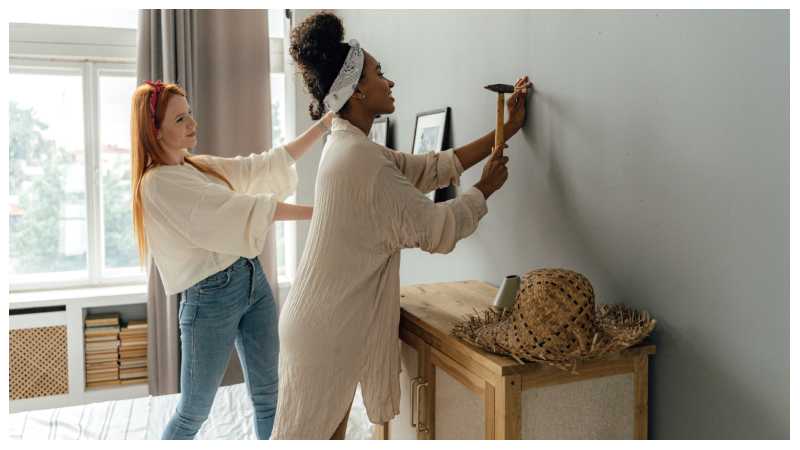
Creating a beautiful home does not always require a major renovation or a large budget. Thoughtful decoration choices can completely change the appearance and atmosphere of a room. From selecting the right colors and furniture to arranging accessories and improving lighting, small adjustments can make a home feel more comfortable, organized, and visually appealing.
decoration tips decoradhouse from decoratoradvice can be approached as a practical philosophy for creating spaces that combine personality, comfort, functionality, and visual balance. Instead of following every passing trend, homeowners can focus on timeless decorating principles and adapt them to their individual needs.
Whether you are decorating a new home, refreshing one room, or simply looking for inexpensive improvements, understanding the basics of interior decoration can help you make better decisions.
Understand Your Space First
Before buying furniture, artwork, or decorative accessories, take time to understand the room you want to improve.
Look at its size, shape, natural light, ceiling height, architectural features, and existing furniture. Consider how people move through the room and what activities normally take place there.
A living room used for family gatherings may need comfortable seating and flexible storage. A bedroom should feel calm and relaxing, while a home office may require practical lighting and an organized workspace.
Good decoration starts with function. Once you understand how a room needs to work, it becomes easier to decide how it should look.
Choose a Suitable Color Palette
Color has a powerful effect on the atmosphere of a room.
Soft neutral shades can make a space feel calm and spacious. Warmer colors can create an inviting atmosphere, while darker tones can add depth and sophistication when used carefully.
Instead of selecting many unrelated colors, create a simple palette. Choose a dominant color, a secondary shade, and one or two accent colors.
For example, a room might combine warm white walls, natural wood furniture, and muted green accessories. This creates visual consistency without making the space feel boring.
Remember that lighting can change how colors appear. Always consider how your chosen colors look in both natural and artificial light.
Select Furniture for Comfort and Function
Furniture is usually one of the largest visual elements in a room, so it should be selected carefully.
Do not choose furniture solely because it looks attractive in a showroom. Think about its size, comfort, durability, and relationship to the room.
A large sofa may overwhelm a small living room, while tiny furniture can make a large room feel empty.
Measure the room and available pathways before purchasing major pieces. Leave enough space for people to move comfortably.
Furniture should support the way you live. If you frequently entertain guests, flexible seating may be more useful than decorative pieces that rarely get used.
Create a Strong Focal Point
Every room can benefit from a focal point.
A focal point is an element that naturally attracts attention when someone enters the space. It might be a fireplace, artwork, architectural feature, statement light fixture, attractive sofa, or carefully arranged wall.
Without a focal point, a room can sometimes feel visually scattered.
However, avoid creating too many competing focal points. Choose one primary feature and allow the surrounding decoration to support it.
Improve Lighting
Lighting can make a significant difference to interior decoration.
A room with attractive furniture can still feel uncomfortable if it is poorly lit.
Try to use multiple types of lighting rather than depending on one central fixture.
Ambient lighting provides general illumination. Task lighting helps with activities such as reading, cooking, or working. Accent lighting can highlight artwork, plants, shelves, or architectural details.
Floor lamps, table lamps, wall lights, pendant fixtures, and recessed lighting can all contribute to a layered lighting scheme.
Whenever possible, make use of natural daylight. Keep windows clear and use window treatments that allow you to control brightness and privacy.
Use Mirrors Strategically
Mirrors can be useful decorative tools, particularly in smaller rooms.
A well-positioned mirror can reflect light and create the impression of additional space. Placing one opposite a window can also bring more natural light into the room.
The frame should complement the overall design. A simple frame may suit a modern interior, while an ornate frame could work in a traditional setting.
Avoid placing mirrors simply to fill empty walls. Think about what they will reflect and whether the reflection improves the room.
Add Texture for Depth
A room can have a beautiful color palette and still feel flat if everything has the same texture.
Introducing different materials can create visual and physical depth.
Consider combining:
- Wood
- Glass
- Metal
- Cotton
- Linen
- Wool
- Ceramic
- Natural stone
- Woven materials
Soft rugs can make hard flooring feel more comfortable. Cushions and throws can add warmth to sofas and chairs. Wooden surfaces can bring a natural element into otherwise modern interiors.
Texture is especially useful when decorating with neutral colors because it creates interest without requiring bright shades.
Decorate With Plants
Plants can bring life and freshness into an interior.
They can add natural color, soften hard furniture lines, and make rooms feel more welcoming.
Choose plants according to the amount of natural light available. Some varieties need bright indirect light, while others can tolerate lower-light conditions.
If maintaining live plants is difficult, high-quality artificial plants can provide a similar decorative effect, although they do not offer the same benefits as living greenery.
Use attractive planters that complement your interior style.
Use Artwork and Personal Items
A home should reflect the people who live in it.
Artwork, photographs, books, travel souvenirs, handmade objects, and family pieces can make a room feel personal.
You do not need expensive artwork to create an attractive display. A collection of affordable prints can look impressive when arranged thoughtfully.
Consider the scale of artwork in relation to the wall and furniture. Very small pieces can disappear on a large wall, while oversized artwork may dominate a small room.
Personal decoration is most effective when it feels intentional rather than random.
Keep Clutter Under Control
Good decoration is not simply about adding more things.
Too many accessories can make a room feel crowded and difficult to maintain. Clutter can also reduce the visual impact of individual decorative pieces.
Storage is therefore an important part of interior design.
Use cabinets, baskets, shelves, storage benches, and multifunctional furniture to keep everyday objects organized.
A simple rule is to regularly evaluate decorative items and remove anything that no longer serves a purpose or brings enjoyment.
Create Balance and Symmetry
Balance helps a room feel comfortable and visually stable.
Symmetrical arrangements can create a formal appearance. For example, two matching lamps placed on either side of a console can create a sense of order.
However, perfect symmetry is not always necessary.
Asymmetrical balance can be created by combining objects of different sizes that have similar visual weight. A large plant on one side of a room might balance a collection of smaller decorative pieces on the other.
The goal is not mathematical perfection but visual harmony.
Decorate Walls Carefully
Empty walls provide opportunities for creative decoration.
You can use artwork, photographs, mirrors, shelves, wall-mounted plants, decorative plates, or textured materials.
Gallery walls can be particularly effective when multiple artworks are arranged as a coordinated collection.
Before hanging anything, consider the size and position of nearby furniture.
Artwork is generally more effective when positioned at a comfortable viewing height rather than too high on the wall.
Make Small Rooms Feel Larger
Small rooms require careful decoration because every piece has a strong impact.
Choose appropriately sized furniture and avoid blocking windows or pathways.
Light colors can create an open feeling, while mirrors can visually expand the space.
Furniture with exposed legs can also make the floor more visible, creating a lighter appearance.
Use vertical space when possible. Tall shelves or cabinets can provide storage without consuming too much floor area.
The principle behind decoration tips decoradhouse from decoratoradvice is to make every element contribute to the room rather than filling available space unnecessarily.
Make Large Rooms Feel Comfortable
Large rooms can create the opposite challenge.
When furniture is too small or widely separated, the space may feel empty.
Use larger furniture groupings, area rugs, plants, artwork, and lighting to create defined zones.
For example, a large living room might include a main seating area, a reading corner, and a small workspace.
Area rugs can help visually connect furniture and establish separate zones within an open space.
Mix Old and New Pieces
A home does not have to follow one design period.
Combining modern furniture with vintage or traditional accessories can create a more individual appearance.
An antique-looking mirror can work beautifully above a contemporary console. A modern sofa can be paired with a traditional rug.
The key is finding a connection between the pieces through color, material, shape, or proportion.
Mixing styles thoughtfully can make an interior feel collected rather than overly coordinated.
Decorate on a Budget
Beautiful decoration does not require unlimited spending.
Start with the changes that have the greatest visual impact.
Rearranging furniture can cost nothing. Changing cushion covers, adding plants, updating lighting, or repainting a wall can produce noticeable results without replacing everything.
Thrift stores, secondhand marketplaces, and local craft shops can also provide affordable decorative pieces.
DIY projects are another option. Simple projects such as repainting furniture, creating artwork, or making decorative storage can personalize a space.
Spend more carefully on items that receive frequent use, such as sofas, mattresses, and durable furniture.
Follow Trends Carefully
Interior trends can provide inspiration, but they should not control every decorating decision.
Trends change quickly, while major furniture and renovation purchases can last for many years.
Use fashionable colors or patterns in easily replaceable accessories rather than permanent features if you enjoy changing your style.
A timeless foundation combined with a few contemporary accents can keep a home looking fresh without requiring frequent renovations.
Decorate According to Your Lifestyle
The best interior is one that works for the people who use it.
A household with children may need durable fabrics and practical storage. Pet owners may prefer easy-to-clean materials. Someone who works from home may need a dedicated workspace with appropriate lighting.
Decoration should support real life rather than creating a room that looks beautiful but is difficult to use.
Think about daily routines before making major decisions.
Seasonal Decoration
Seasonal accessories can refresh a home without requiring major changes.
During colder months, textured blankets, warm lighting, and richer accessories can create a cozy atmosphere. During warmer seasons, lighter fabrics, fresh flowers, and brighter accents can make interiors feel fresh.
Keep seasonal decoration simple and store items carefully when they are not being used.
Changing small details can make a home feel different throughout the year without creating unnecessary expense.
Final Thoughts
decoration tips decoradhouse from decoratoradvice offer a useful way to think about home decoration as a balance between beauty, comfort, organization, and personal expression.
Start by understanding your space and how you use it. Choose a coordinated color palette, select appropriately sized furniture, improve lighting, add texture, introduce plants, and display meaningful personal items.
Avoid unnecessary clutter and do not feel pressured to follow every design trend. Instead, create a home that reflects your personality and supports your everyday lifestyle.
Most importantly, remember that decorating a home is an ongoing process. You do not need to complete everything at once. Small improvements can gradually transform a room.
With thoughtful planning and creative choices, decoration tips decoradhouse from decoratoradvice can help you create spaces that are attractive, comfortable, functional, and enjoyable for years to come.